
Reframing Climate Change as a Human Challenge

Climate change is often portrayed as a threat to the planet, yet Earth has endured mass extinctions and catastrophic events before. What is truly at risk now is human civilization—our health, food systems, economies, and social stability. The World Health Organization estimates more than 250,000 annual deaths linked to climate impacts, while UNICEF reports 1 […]
EU Debates Carbon Credits in 2040 Climate Target
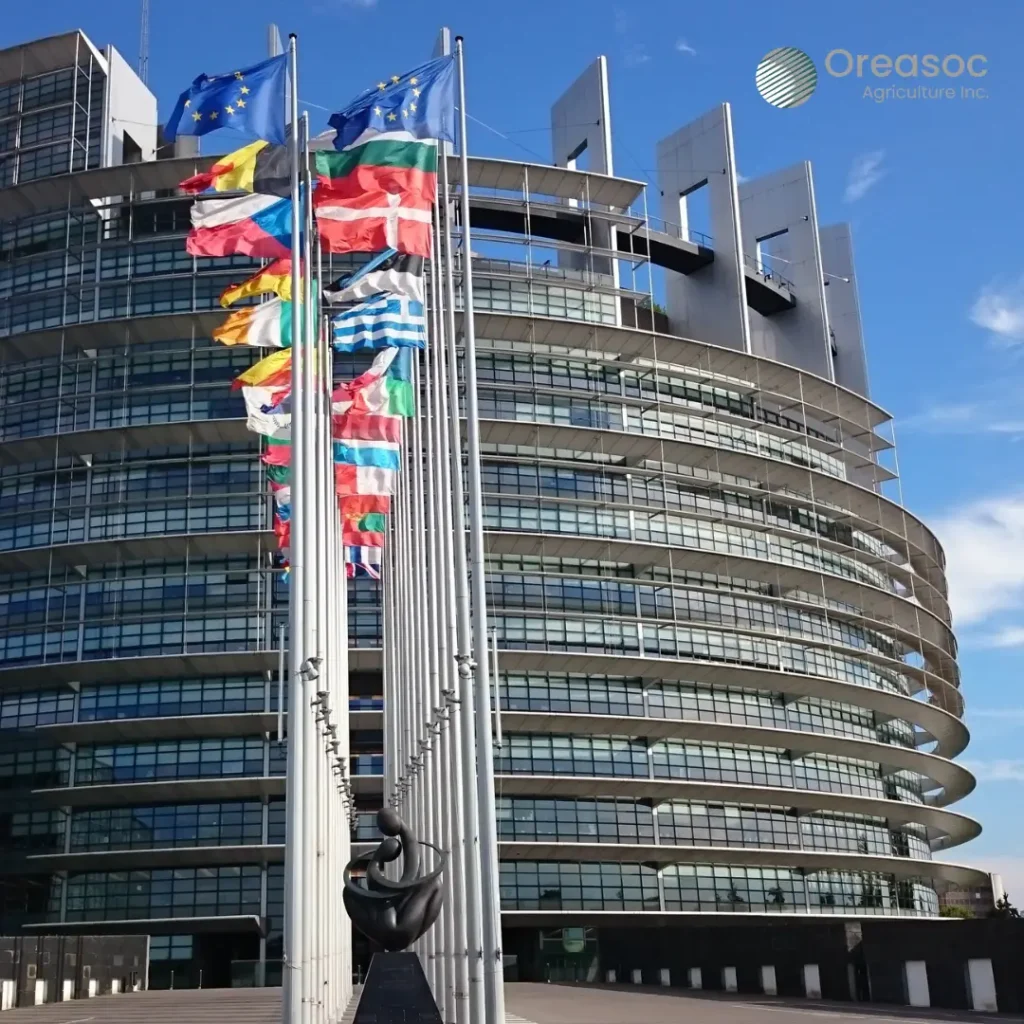
On July 2, 2025, the European Commission proposed a 90% emissions reduction target by 2040, setting a key milestone toward achieving climate neutrality by 2050. The proposal introduces limited flexibility by allowing the use of international carbon credits under Article 6 of the Paris Agreement, capped at 3% of the EU’s 1990 net emissions, equivalent […]
Singapore Expands Carbon Credit Deals and Launches Nature-Based Projects

On September 16, 2025, Singapore signed its ninth Article 6.2 implementation agreement, this time with Vietnam, marking another step in its growing network of carbon trading partnerships. The Ministry of Trade and Industry pledged to channel 5% of proceeds from authorized carbon credits into Vietnam’s climate adaptation efforts, reinforcing Singapore’s commitment to high-integrity cooperation under […]
China Sets First Absolute Carbon Cap with 2035 Pledge

On September 25, 2025, President Xi Jinping announced China’s first absolute emissions reduction target during a UN climate summit address. The pledge commits to cutting greenhouse gas emissions by 7–10% by 2035, expanding non-fossil fuels to over 30% of energy use, and boosting wind and solar capacity to 3,600 GW. This marks a structural shift […]
Bridging the Collision Course: Conservation, Communities, and the Future of 30×30

The global community has set one of the boldest goals in environmental history: by 2030, conserve 30% of the planet’s land and sea (30×30). Adopted under the Kunming–Montreal Global Biodiversity Framework, this target is more than a number—it is a rallying cry for reversing biodiversity loss, stabilizing climate systems, and securing the ecosystems that underpin […]
Farming Practices Can Drive Climate Solutions Through Carbon Sequestration

From cover crops to reduced tillage, farmers are adopting practices that store carbon in the soil—unlocking potential for both climate impact and new income through carbon credits.
Telangana Farmers Earn Carbon Credits Through Sustainable Paddy Cultivation

A Gold Standard-certified project in Telangana is helping 35,000 farmers cut methane emissions from paddy fields, save water, and earn carbon credits—creating a new revenue stream through sustainable agriculture.
Bhutan and Singapore Partner to Advance High-Integrity Carbon Markets

Bhutan’s entry into international carbon markets, backed by Singapore’s trading infrastructure, creates a powerful model for connecting high-quality carbon credit supply with global demand.
UN Adopts ‘Suppressed Demand’ Standard to Aid Underserved Communities

A new UN standard on “suppressed demand” allows climate projects in underserved communities to earn carbon credits for meeting basic needs, even if emissions rise as a result. This ensures climate finance can support both emissions reduction and essential service access, creating fairer opportunities for development-focused projects under the Paris Agreement.
EU’s 2040 Climate Target Could Transform Global Carbon Markets

The EU’s plan to allow limited international carbon credits from 2036 could reshape global markets, making it a top buyer while influencing project standards, benefit-sharing, and Paris Agreement alignment worldwide.